Understanding the New Nigerian Curriculum: What Every Private School Administrator Must Know
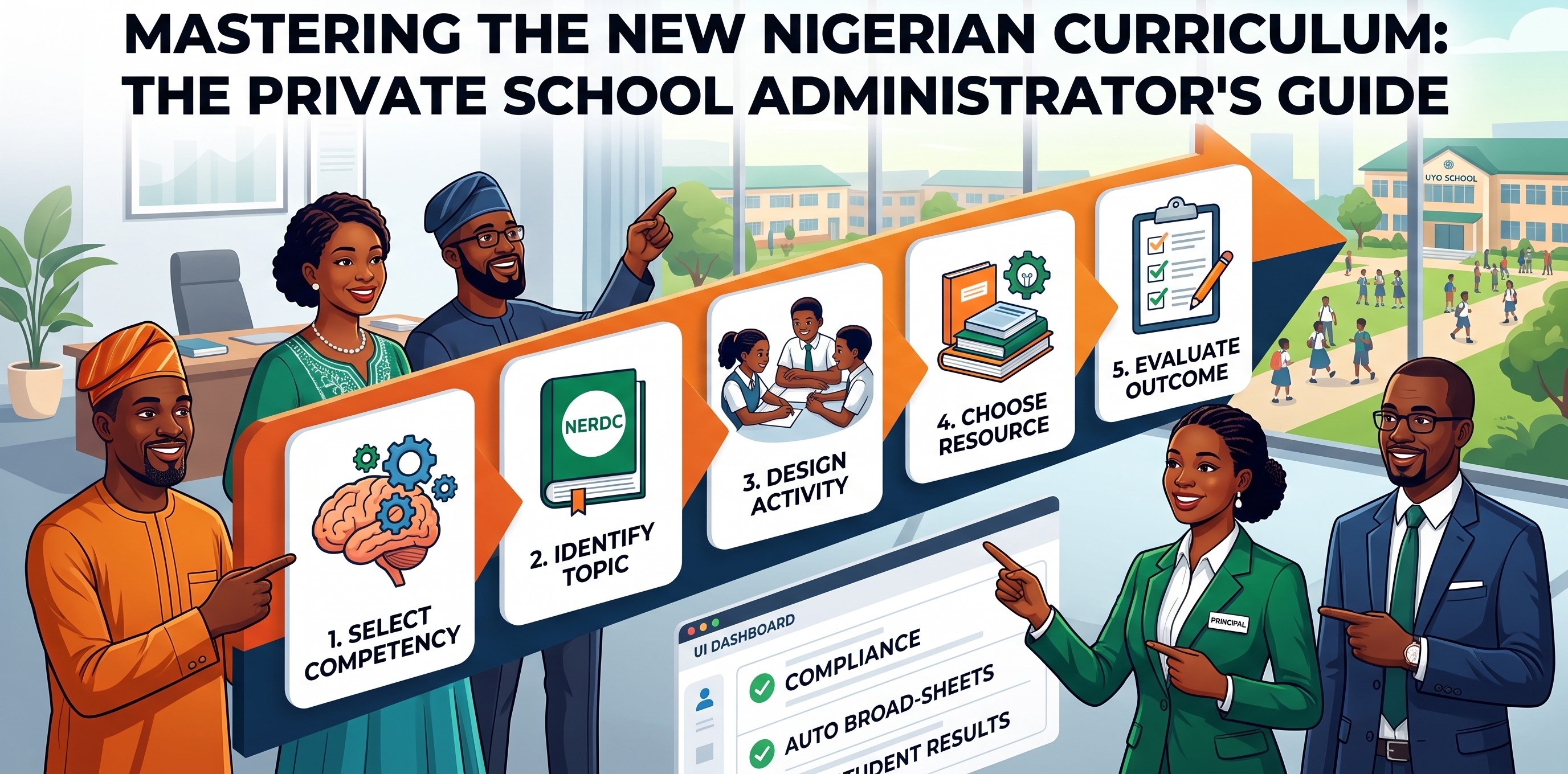
The revised NERDC new curriculum represents a fundamental structural shift across Nigerian basic and secondary education. The curriculum is no longer just telling the teacher what the child should know — it gives stronger direction about what the child should be able to do
For years, the standard Nigerian classroom followed a predictable rhythm: the teacher wrote definitions on the chalkboard, students copied notes into their exercise books, and terminal assessments tested memorization
However, the revised NERDC new curriculum represents a fundamental structural shift across Nigerian basic and secondary education. As highlighted by educational leadership consultant Dr. Grace Phillips-Ayonuwe during the From Curriculum to Classroom leadership series, "The curriculum is no longer just telling the teacher what the child should know — it gives stronger direction about what the child should be able to do".
For private school proprietors, headteachers, and principals, mastering the new Nigerian curriculum is no longer just a regulatory compliance exercise—it is the primary operational benchmark that determines student performance, parent retention, and school reputation.
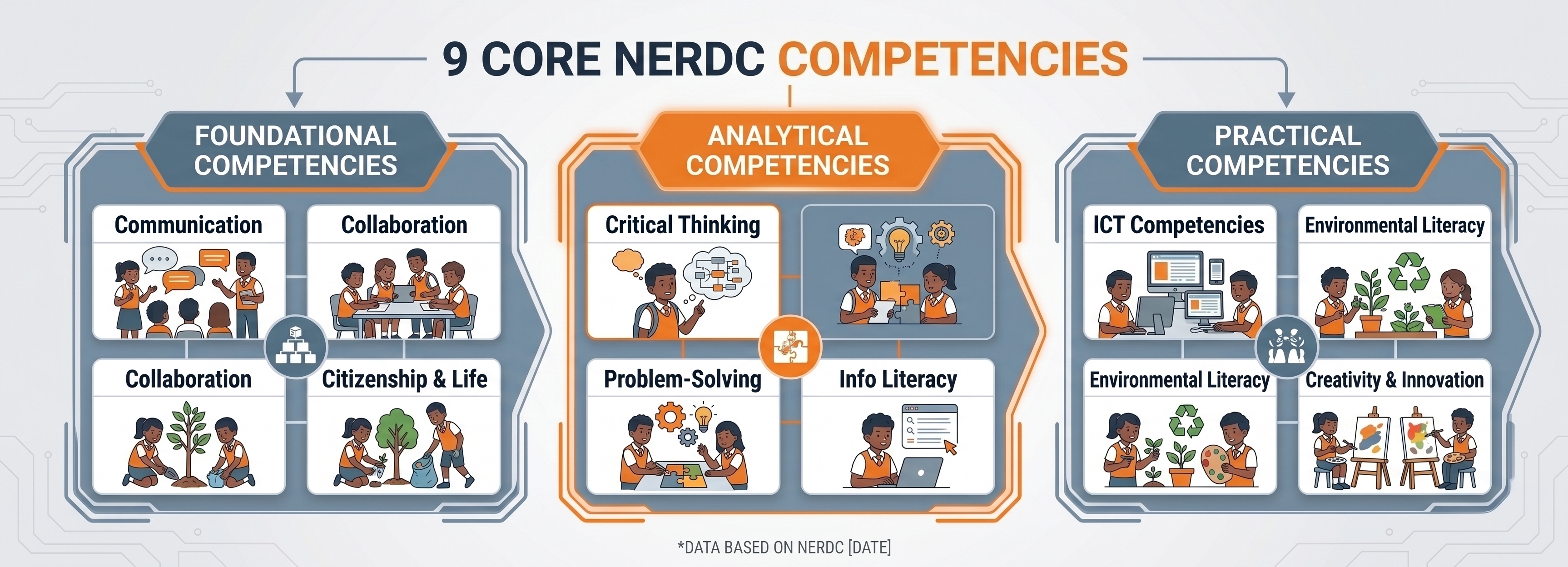
A common misconception among administrators is that skills and competencies require separate "vocational periods" or standalone subjects. Under the revised framework, NERDC has embedded 9 core competencies directly into the delivery of every traditional subject—from English Studies and Mathematics to Basic Science:
Proprietors cannot expect teachers to execute a competency-based model using outdated administrative structures. School leadership must provide four critical pillars:
The Official Subject Teachers' Guides: Distribute NERDC’s official subject-specific Teachers' Guides rather than leaving staff with only raw syllabi.
Competency-Aligned Lesson Plan Formats: Standardize lesson plan templates around activities, learning competencies, and student actions rather than teacher-centric lecture notes.
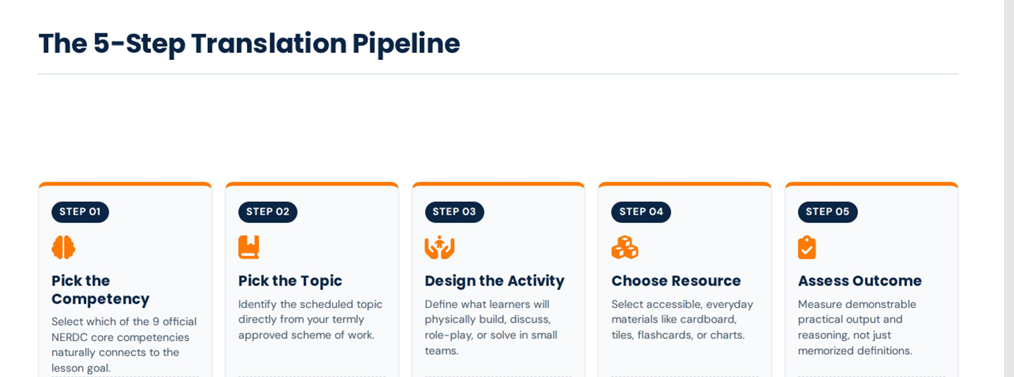
Practical Staff INSET Workshops: Replace administrative memos with hands-on staff simulations and walkthroughs of the 5-step translation framework.
Supportive Mentoring & Monitoring: Schedule supportive classroom walkthroughs at least twice per term, focusing on classroom interaction rather than notebook policing
If the curriculum measures problem-solving and collaboration, continuous assessment (CA) cannot rely entirely on rote recall
Future-Proofing Administration with Schulup
Transitioning your academic structure, managing continuous assessments, and updating broadsheets to reflect new subject standards can create significant administrative friction.
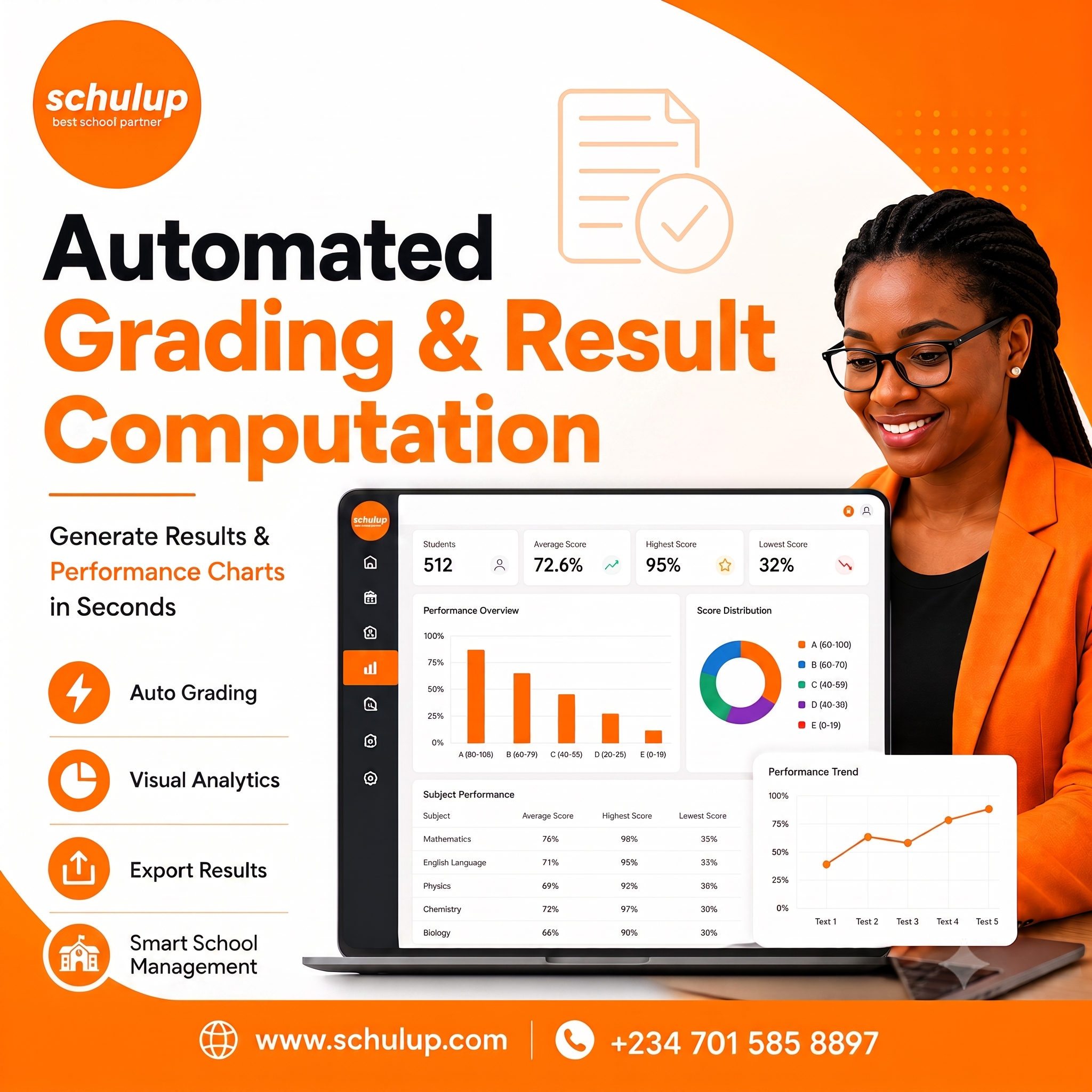
Schulup (schulup.com) solves this operational bottleneck by automating the administrative backbone of your school:
Pre-Configured Curriculum Standards: Easily configure your classes, subjects, and grading rubrics to mirror current educational guidelines.
Automated Result Compilation: Eliminate late-night broadsheet computation errors with instant calculation of CA scores, psychomotor/affective skills, and terminal aggregates.
Streamlined Fee Management: Keep operational revenue healthy through real-time fee tracking, digital receipts, and automated payment reminders sent directly to parents.
Holiday learning helps students retain knowledge, build new skills, and return to school more confident. Schools and parents can prevent learning loss by combining structured holiday assignments, practical activities, digital learning tools, and adequate time for rest. The goal is consistent learning without overwhelming children.
Nigerian school administrators are stuck between two demands that seem to pull in opposite directions: parents and regulators expect digital, e-learning-ready institutions, while unreliable networks, rising data costs, and inconsistent fee collection make that digitization genuinely hard to deliver.
The pattern shows up the same way in school after school. A proprietor invests in a school portal, and teachers can't upload results because the network is down.